
2025-26 Dallas Stars Season AfterThoughts: Reckoning with a 112-Point Season and a First-Round Exit
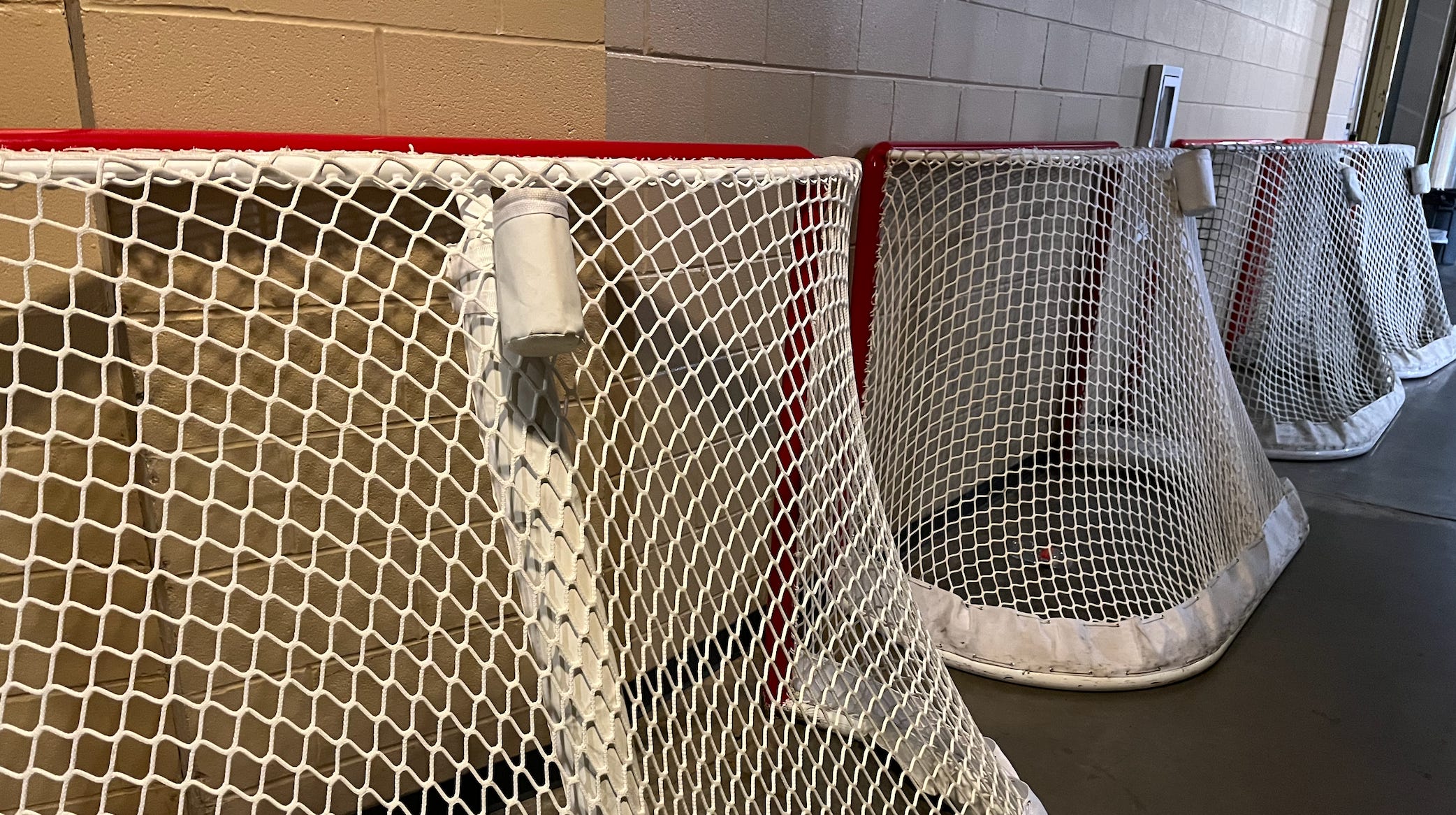
Many Minnesota nets were left unfilled this playoff run

Listen to Matt Duchene’s postgame comments last night and you’ll hear a mixture of the methodical and the melancholy. Duchene, taking a beat or two more than he usually needs to, reiterates his gratitude for being a part of the team, saying how he’s focused on the possibilities of the future rather than the disappointment of the present.
But he doesn’t skip over the grief, either. When you’re a part of a team as good as this one, any elimination feels like a missed opportunity, and Duchene lays out that disappointment clearly. They all suffered and strove and bled together, and it all ended far short of where they wanted it to. What does it mean when seven months of fierce competition abruptly ends in a first-round defeat? How do you even explain something like that, minute after it happened?
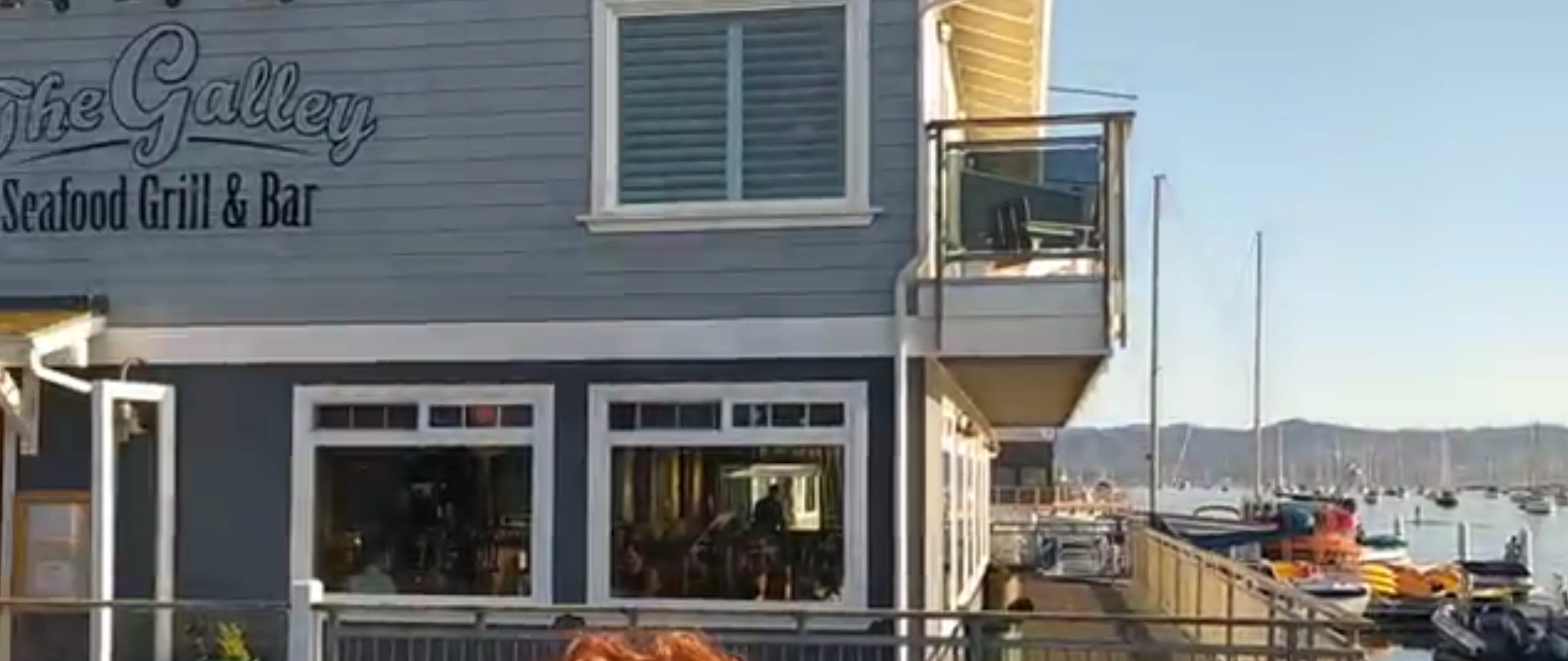
When I was in high school, I worked at a seafood restaurant on the Morro Bay embarcadero. A few times a week, I would clock into The Galley by writing my name and the time in the proper square on a giant piece of butcher paper with that week’s schedule and every employee’s scheduled shifts, which had all been written out in pencil over the preceding weekend.
Mostly, I worked in the kitchen, washing dishes and re-supplying staple foods for the cooks. From 3:30 to 11pm three or four nights a week, I’d be somewhere in that restaurant, navigating the narrow hallway to reach the secluded shelves with trays full of dirty dishes, fresh from the table where servers and bussers had cleared them. I’d lug the tray back to the kitchen and begin unloading the tray, rinsing half-eaten food or empty clamshells off the dishes, and filling up a square plastic rack before slide it into an industrial dishwasher and slamming the hood back down to start the washing process.
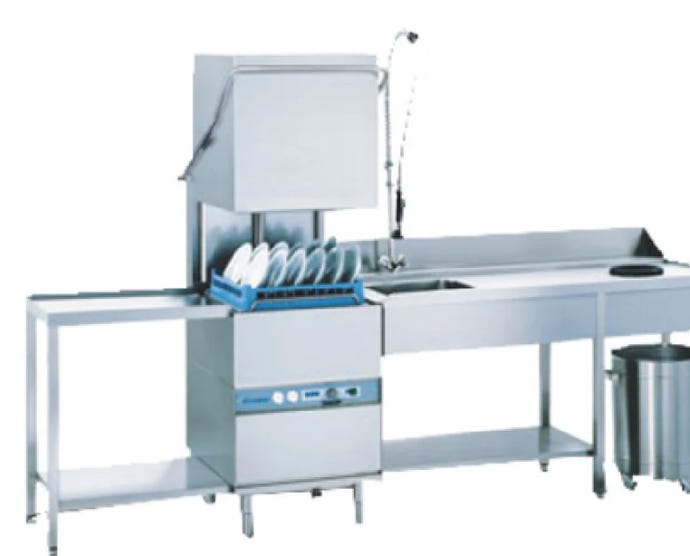
After a minute or so, the high-pressure magic would be complete. The dishes would then be unloaded on the other side, usually by a second guy working alongside me, unless someone was running late or had called in sick or was sitting outside the kitchen by the back gate eating a dinner roll at 8:15pm on a packed Saturday night when we had work to do, Darren.
When everything was going well, it was kind of a satisfying job. The dining room staff’s hard work was directly reflected in how efficiently tables were turned around and how happy customers were, while my own efforts were seen in how full or empty the dirty dish trays were kept in the dining room. The longer I was there, the faster I got. It’s satisfying to see yourself improve like that.
In the close confines of a small, family-owned restaurant in a tourist-filled seaside town, everyone knew who the hard workers were. As is true in all the best jobs, respect was hard to earn but impossible not to recognize.
One especially busy Saturday evening shift, I was given a humorous but not unkind nickname1 from Julie, one of the longest-tenured servers there. It’s with a mixture of pride and chagrin that I tell you that this nickname stuck with me for years among a few of my friends from that hometown. Anyone who’s worked in food service knows that it can beat you down, but that it’s also the sort of work that forges real bonds. If you’re in it together, you end up growing together.
In an operation like that, any breakdown also has cascading effects. When dishes weren’t being washed and put away quickly enough, the dirty trays would start filling up, and the dining room folks would begin bringing trays of dirty dishes directly back to the dishwashing station. That was a fun little indicator of how slammed the restaurant was and how miserable the next couple hours were going to be, particularly when those moments would coincide with someone bringing back a giant pot that had been used to make a vat of clam chowder. If you have never had to rapidly scrub a big pot clean of crusty, caked-on clam chowder in the middle of the dinner rush, you are a lucky person indeed. (I have never been a lucky person.)
Things could back up everywhere in that operation, because family restaurants tend to run with a minimal amount of overhead. If kitchen supplies weren’t getting washed quickly enough, or if morning prep cooks hadn’t made enough supplies, then orders would get delayed while more cleaning or ad hoc prep work happened. Delayed orders mean longer turnaround times for tables, and that means less profit for the restaurant, which the owners were very much cognizant of—by which I mean they made sure we were cognizant of it.
At the end of the night, the eventual release of pressure would start in the dining room. As closing time approached, servers went from madly getting orders and food and drinks and checks to languidly chatting while counting their tips. Bussers would start clearing the last of the tables and extinguishing candles, then methodically taking off dirty tablecloths and wiping everything down. Cooks began doing their nightly deep cleans, usually with a beer in hand the instant the owner officially hung up the “CLOSED” sign.
We in the dishwashing area were the last to leave. Dirty dishwater and the pervasive smell of fish lingered in my clothes and my car, though the great thing about being a guy in high school is that smells don’t really bother you nearly as much as they do the people around you, or especially your family when you get home. But none of the people who were working with me at that restaurant were ever bothered by those smells because they were attuned to other things in service of the larger goal. Are the rolls on the warmer starting to burn? Is the deep fryer oil in need of a change? Does the halibut the owners got at the market yesterday smell right?
A lot of the deepest joy is found in being “in it” with other people, even when they might drive you nuts. It is not good for us to be alone, and even the most miserable job can provide a community that transcends anything about the paychecks or the profit margin. Working at the same job for years is a type of relationship, a small glimpse of the real “for better or for worse” sort of stuff.
(The paychecks help, though.)
Dallas Stars end-of-season media availability happens on Monday, so we’ll find out about any other lingering injuries at that point. I’m sure the players know of some hardships they’ll never share with those outside the room, but there are obvious challenges that made it harder and harder to see this season ending better than last year’s.
I almost wonder if this team two weeks ago was better-suited to win a Stanley Cup Final series than a first-rounder. Had the Stars been playing their fourth round of the playoffs, perhaps all of their own bumps and bruises would have been matched by the other teams’, and the war of attrition would’ve had some drama attached to it. Plop this depleted, gassed team into the 2020 Final, for example, and do they grab another game or two from Tampa? It doesn’t work that way, but I do wonder.
In 2026, the Wild looked every bit like a team led by Olympic studs who were playoff-starved, and they caught what was left of Dallas at the absolutely perfect time and place, serving up some long-awaited satisfactino to a city rabid with desire to prove their hockey superiority over their Texas rivals. There were unironic headlines about this Game 6 being the most important one in Wild franchise history, which is almost unfathomable for a team that entered the league a quarter-century ago. But if you know about the Wild’s perpetual mediocrity, you know those headlines weren’t entirely wrong, either. They wanted this series desperately, and they got it.
Jamie Benn and Mikko Rantanen both incurred league fines for reckless cross-checks in this series for largely similar reasons: their inability to dictate the game in better ways. Rantanen’s superstar-caliber skills were still evident when he had time and space on the power play, but anyone watching him this series (and really, since the Olympics) could see that he wasn’t quite Mikko Rantanen, who can push through almost anything and spin off a defender with the puck because he feels like.
Something looked less explosive, and that frustration at his inability to fight through (often uncalled) hooks and grabs manifested itself at unfortunate times. He was taking needless penalties all the way from Game 1 to Game 6, and like James Bond at the start of Skyfall, you could see the grim reality of elite vision clashing with the inability to execute on it. A longer offseason may wind up being a very good thing for Rantanen, who will be entering the second year of an eight-year deal. The Stars need the next couple of years to count.
As for Jamie Benn, it’s hard to see the Stars once again opting to put him, the team, and Glen Gulutzan in the position they were in this series.
At times, he found chemistry on the third line with Arttu Hyry and Sam Steel, and his xG numbers were among the better ones on the team. But his line didn’t score a single goal, and he just looked like a player struggling to make a healthy impact on the series well before he lost the puck for the empty-net goal to seal the defeat. Gulutzan’s choice to put him out there for some 6-on-5 time with Johnston, Rantanen, Duchene, Robertson, and Heiskanen didn’t initially look bad, as you can see on his work earlier in the set here:
That’s a player and a captain emptying the tank, and his work contributed to some very positive things. But the decision to put Benn back out there after the timeout following this save was the one I have a tough time with, as I don’t think it was wise to hope he had another shift like that in his legs. But hindsight is 20/20, and it looks a lot easier from way up here in internet land.
Keep reading with a 7-day free trial
Subscribe to Stars Thoughts to keep reading this post and get 7 days of free access to the full post archives.